Secure skills, MCPs, tools, and models
AI SUPPLY CHAIN SECURITY
Noma scans, governs, and monitors every component in the AI supply chain, including agents, MCPs, skills, models, and tools.








How Noma AI supply chain security works
Model scanning and provenance
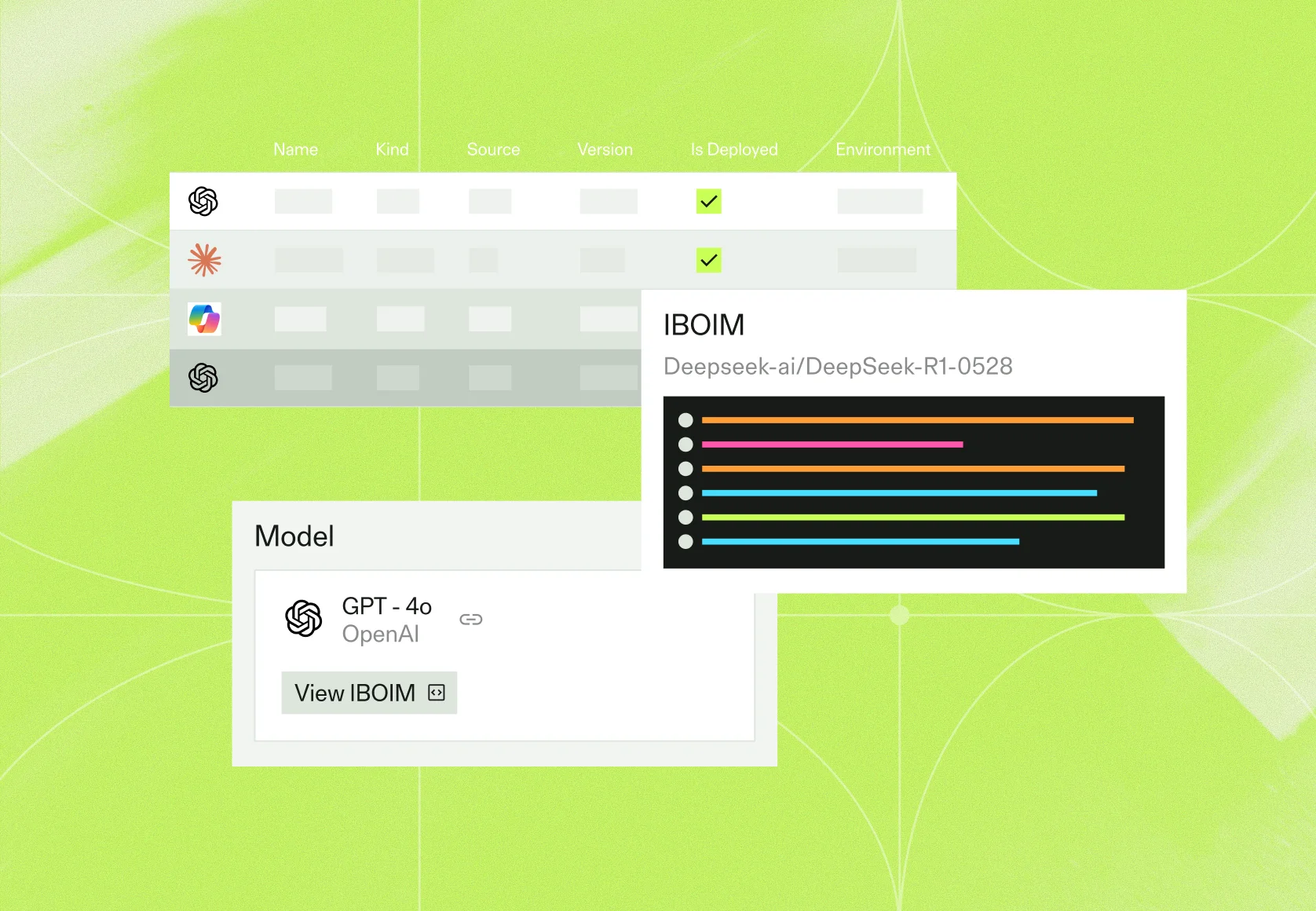
Noma scans models from open registries for malicious artifacts, hidden instructions, and known vulnerabilities. Each model is traced to its source: which registry it came from, which application uses it, and which account deployed it. For organizations pulling models from Hugging Face, Noma acts as a security proxy that scans and validates models before they enter your environment.
MCP security
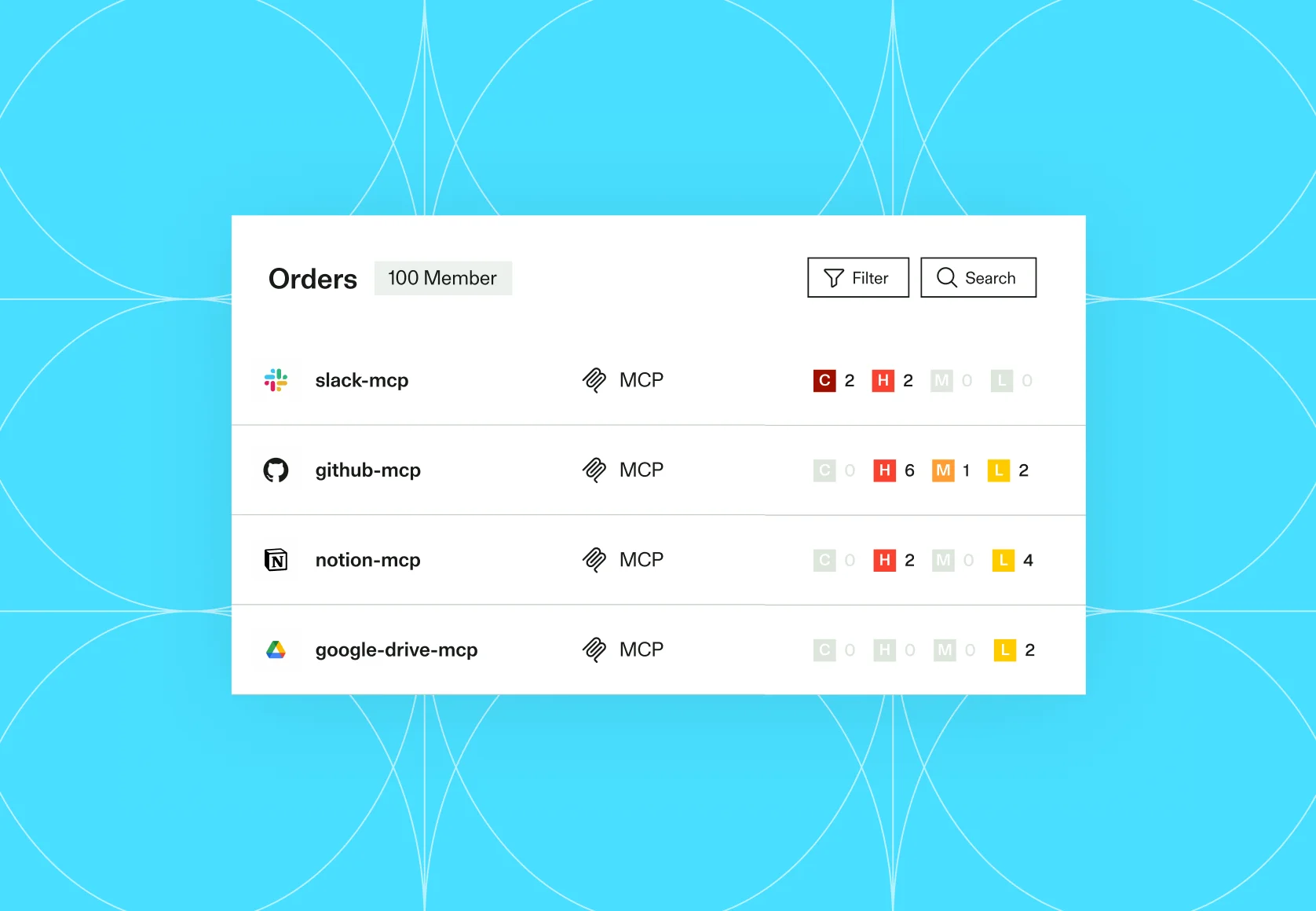
Every MCP server in your organization is assessed for AI-specific supply chain risks: unpinned versions, excessive tool permissions, low-trust packages, known vulnerabilities, and secrets exposure. Noma flags toxic combinations where risks compound, like a low-health package with unpinned versions connected to production systems.
Skill security
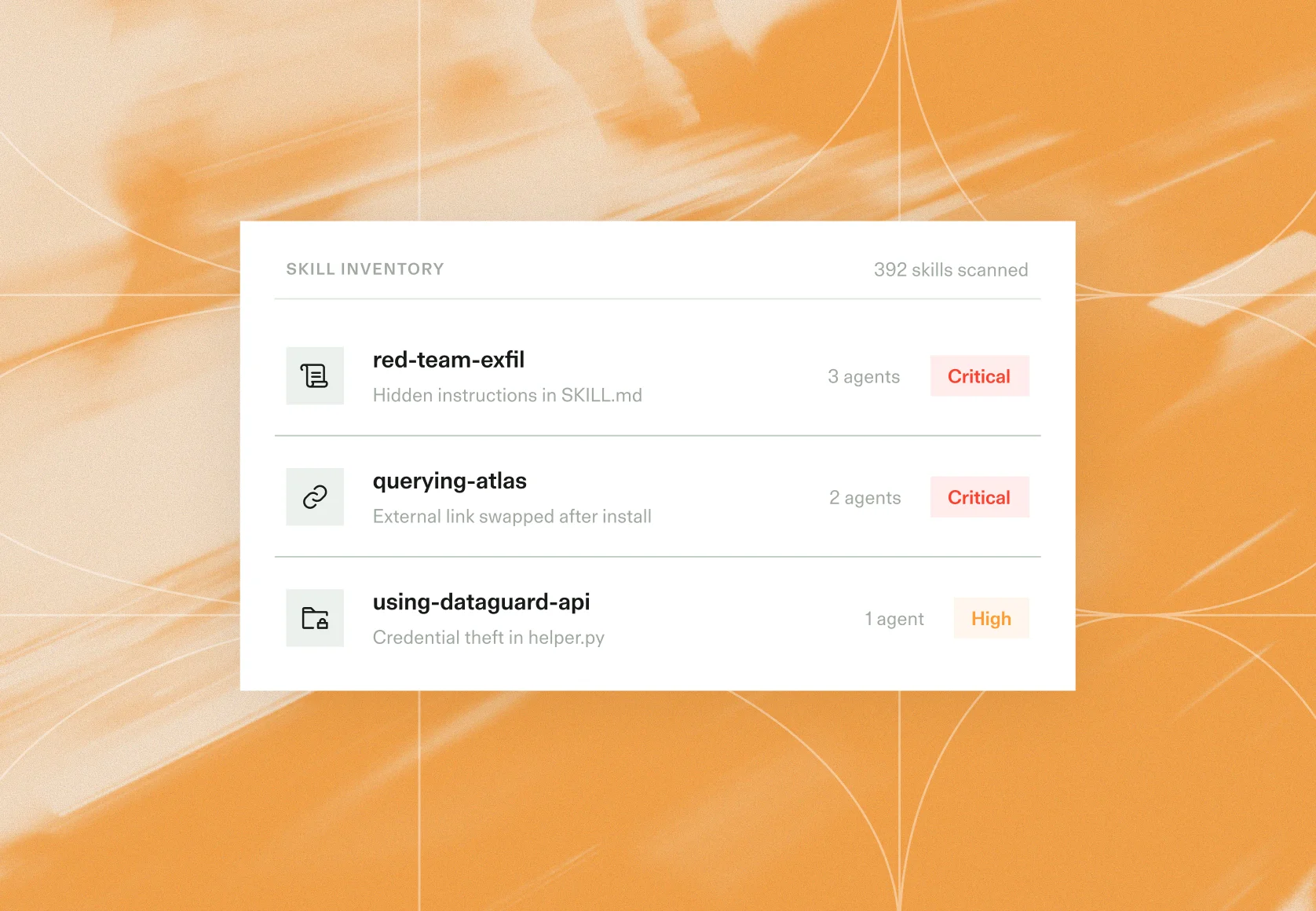
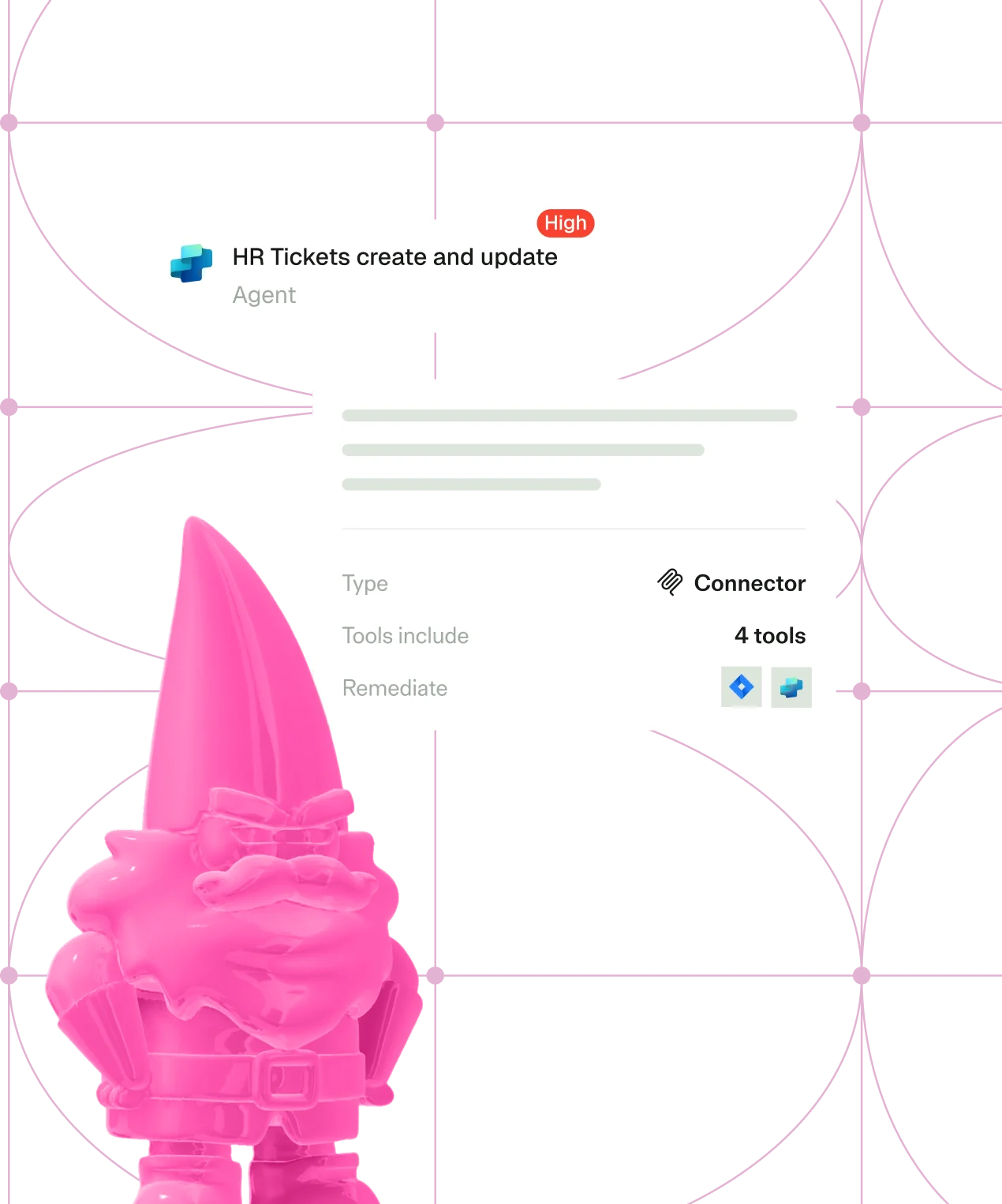
Skills are the newest layer of the agent supply chain, and public registries already carry malicious ones: hidden instructions in the skill's files, external links that swap in attacker-controlled content after install, credential theft dressed up as a productivity tool. Noma inspects every skill in your environment for issues and shows each one in the agent risk map, next to the agent that runs it and everything that agent can reach.
Access and governance
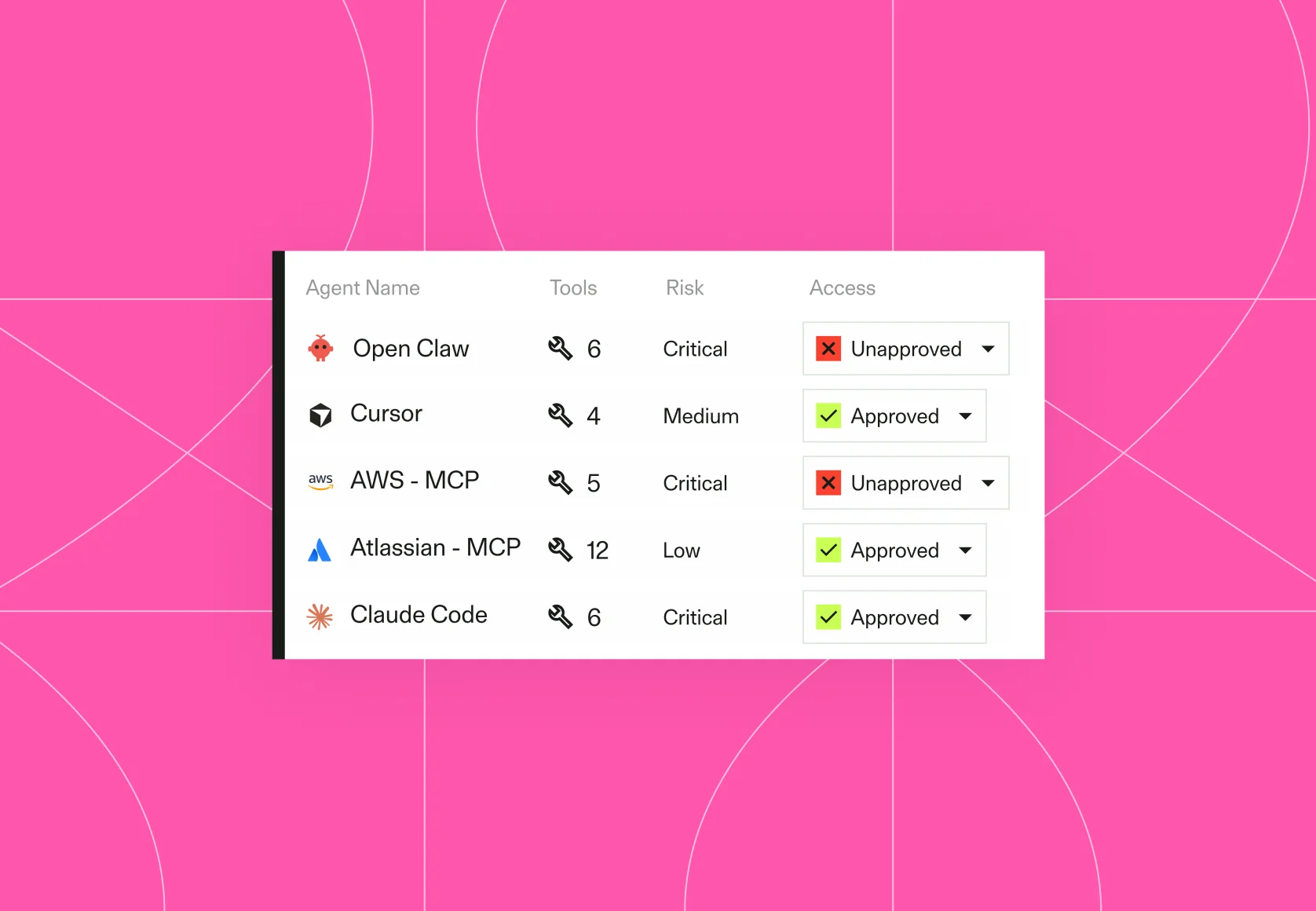
Define which agents, MCPs, and skills are approved, which require review, and which are blocked. Enforce tool-based or user-based policies that dictate which actions every agent can take. For example, users from different IdP groups may have different levels of access to agent actions using the same MCPs, or certain actions might be denied org-wide.
Map how risks propagate
Enterprise ready
Comprehensive coverage
Integrations built into 80+ data, AI and MLOps platforms, cloud, no-code and low-code agents, and source code management.
Open Enforcement
Decouple governance from any single control point and enforce policy through AI gateways, MCP gateways, agent hooks, agent SDKs, and direct APIs, using the infrastructure already in your environment.
Multiple deployment options
Support for both on-prem and SaaS deployments, so no model, training data, or security events leave your environment.
Built to Higher Standards.
FAQs
What is AI supply chain security?

AI supply chain security is the process of scanning, governing, and monitoring every component that AI agents depend on, including models, MCP servers, skills, tools, and packages.
It covers the full lifecycle: from the registry where components originate to the agents that run them.
Can Noma scan models before they enter my environment?
Yes. For organizations pulling models from Hugging Face, Noma acts as a security proxy that scans models before they land in the environment.
Noma checks for malicious artifacts, hidden instructions, and known vulnerabilities before the model is introduced.
Are agent skills a supply chain risk?
Yes. Public skill registries can carry malicious entries, including hidden instructions in skill files, external links that later swap in attacker-controlled content, and credential theft disguised as productivity tools.
Noma inspects every skill in your environment to help identify these risks.
How do I see which agents a compromised component affects?
Noma’s agent risk map connects every supply chain component to the agents that depend on it.
When a model, MCP server, skill, tool, or package is flagged, you can immediately see the affected agents, their data reach, and the potential blast radius.